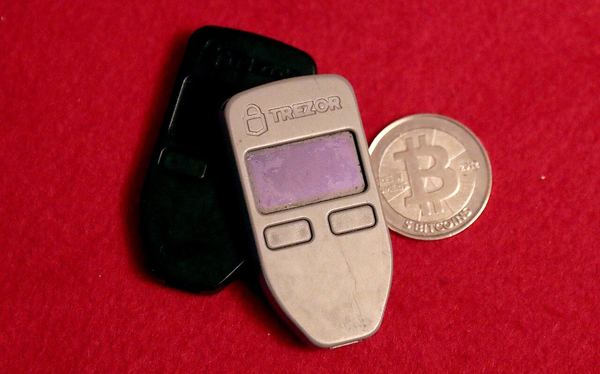
How Wallets Work
When most people talk about a crypto wallet, they imagine a digital vault where their bitcoin or ether “sits.” But that’s not accurate: wallets manage private keys, not coin balances.
Explainers for people who hold keys, pay fees and read the fine print.

Start with the machinery: what a wallet really holds, how a block explorer reads, where fees come from and why two chains can agree on anything at all.
6 articles in this section
When most people talk about a crypto wallet, they imagine a digital vault where their bitcoin or ether “sits.” But that’s not accurate: wallets manage private keys, not coin balances.

A blockchain explorer is essentially a search engine, one that indexes a public ledger's blocks, transactions and addresses.

Ethereum's gas fees are the cost of including a transaction in a scarce and competitive block space.
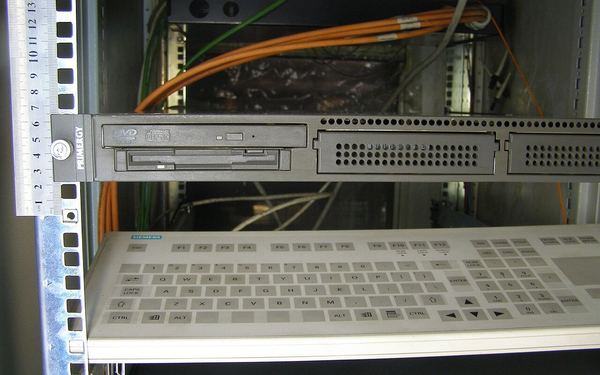
Digital currencies like Bitcoin and Ethereum use different systems to agree on the one true record - proof of work turns electricity into ledger security, while proof of stake turns capital into…

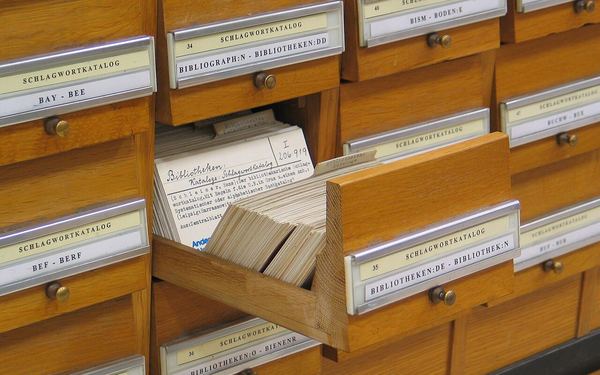
Token standards on Ethereum define the interface and some core behaviors, but do not control everything a smart contract can or will do.